Understanding the Risks and Security Measures Involved in International Money Transfers

FREE transfers for life! Click Here
In today’s interconnected world, international money transfers have become an essential part of everyday financial activity. Whether supporting family abroad, conducting global business transactions, or investing internationally, transferring money across borders quickly and securely is critical.
However, while global transfers offer convenience and opportunity, they also come with risks that require careful awareness and proactive protection. This guide explores the main risks involved in international money transfers and the security measures you can take to protect your finances.
International money transfers are common targets for fraudsters who attempt to exploit vulnerabilities in financial systems.
Common types of scams include:
Phishing attacks
Identity theft
Fake investment schemes
Impersonation of financial institutions
Fraudsters may attempt to trick individuals into revealing personal information or sending funds to fraudulent accounts. Once funds are transferred internationally, recovering them can be extremely difficult.
International transfers must comply with strict financial regulations.
These regulations often include:
Know Your Customer (KYC) verification
Anti-Money Laundering (AML) procedures
Transaction monitoring and reporting requirements
Failure to comply with these regulations can result in penalties, frozen funds, or legal consequences. Understanding the regulatory requirements in both the sending and receiving countries is essential.
Currency exchange rates constantly change due to economic, political, and market conditions.
These fluctuations can affect the final value of the funds received. Sudden changes in exchange rates can reduce purchasing power or increase transaction costs, particularly for large transfers or long settlement periods.
Monitoring exchange rates before initiating a transfer can help minimize potential financial losses.
Operational risks can occur during the transfer process due to:
Technical failures
System outages
Human errors
Payment processing delays
Reliable financial infrastructure and secure payment networks are crucial for minimizing these risks and ensuring transactions are processed smoothly.
Always select trusted financial institutions or well-established money transfer services.
Before sending money, consider:
Customer reviews and reputation
Regulatory compliance
Security certifications
Transparent fee structures
Reliable providers prioritize user protection and maintain strong security systems.
All international money transfers should be conducted using secure connections.
Look for platforms that use:
SSL (Secure Sockets Layer)
TLS (Transport Layer Security)
Secure websites typically begin with https://, indicating encrypted communication that protects your personal and financial information.
Strong identity verification helps prevent unauthorized transfers.
Many financial services now use:
Government-issued ID verification
Biometric authentication
Facial recognition technology
These verification processes significantly reduce fraud risks.
Understanding regulatory requirements helps avoid legal complications.
Ensure that the transfer provider follows global compliance standards and supports KYC and AML procedures.
Using compliant platforms helps maintain the integrity and security of financial transactions.
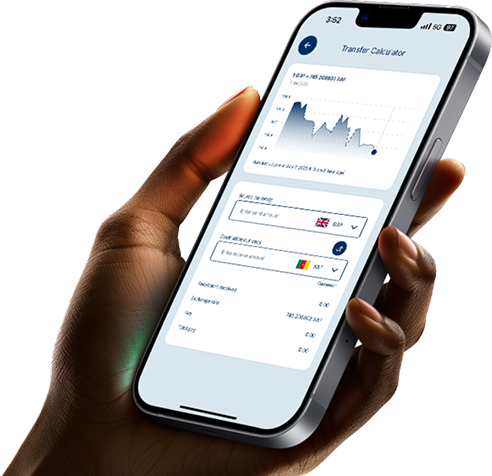
Keeping track of currency exchange rates allows you to choose the most favorable time for sending money abroad.
Some platforms provide:
Real-time exchange rate updates
Historical currency data
Rate alerts and notifications
These tools help optimize transfer timing and reduce financial risks.
Many modern transfer services provide transaction tracking tools.
These allow users to monitor transfers in real time and receive updates on:
Transaction status
Processing stages
Delivery confirmation
Tracking features improve transparency and provide peace of mind.
Understanding common fraud tactics is one of the best ways to protect yourself.
Watch for warning signs such as:
Requests for personal information
Urgent payment demands
Suspicious email links
Promises of guaranteed financial returns
Staying informed helps you recognize potential scams early.
International money transfers play a crucial role in the global economy, enabling individuals and businesses to move funds across borders efficiently.
However, navigating the risks associated with cross-border payments requires awareness and proactive security practices.
By choosing trusted providers, staying informed about regulations, monitoring exchange rates, and implementing strong security measures, you can ensure your international money transfers remain safe, transparent, and reliable.
 Tue Nov 05 2024
 5 min read
 Mon Oct 14 2024 2 min read
 Wed Sep 25 2024 5 min read
 Mon Sep 16 2024 3 min read
 Thu Aug 29 2024 3 min read
 Mon Aug 26 2024 4 min read